Smoke Detector Manufacturer for Wholesale and OEM Photoelectric Smoke Alarms
Sourcing smoke alarms that pass a fire-safety listing check and still survive a real kitchen is where most buyers get burned. We build photoelectric detectors that catch slow smoldering smoke, hold a 10-year sealed battery, and carry the approvals your markets demand — without the nuisance trips that turn into one-star reviews. Shelve a standard catalog unit, or develop a private-label detector we chamber-test for your sign-off before a single carton is made.
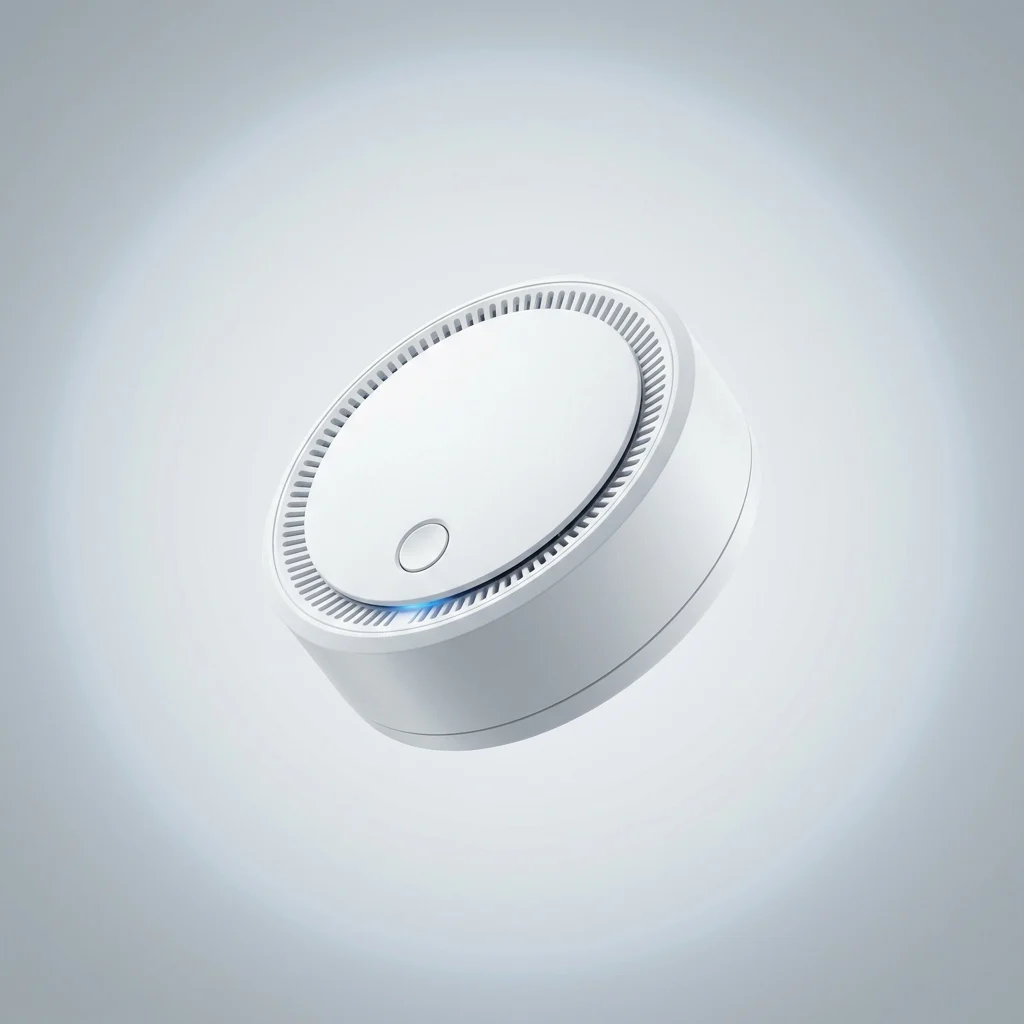
The Photoelectric Smoke Alarms We Manufacture
Between residential detectors, commercial-grade units, and interconnected systems, buyers usually juggle several suppliers to cover one catalog. We collapse that into a single source: one certified photoelectric platform, with a range of alarm types built on top of it. Because the sensing core is shared across models, the certification and quality behind it carry across the range — while sensing type, interconnection, and power change from SKU to SKU.
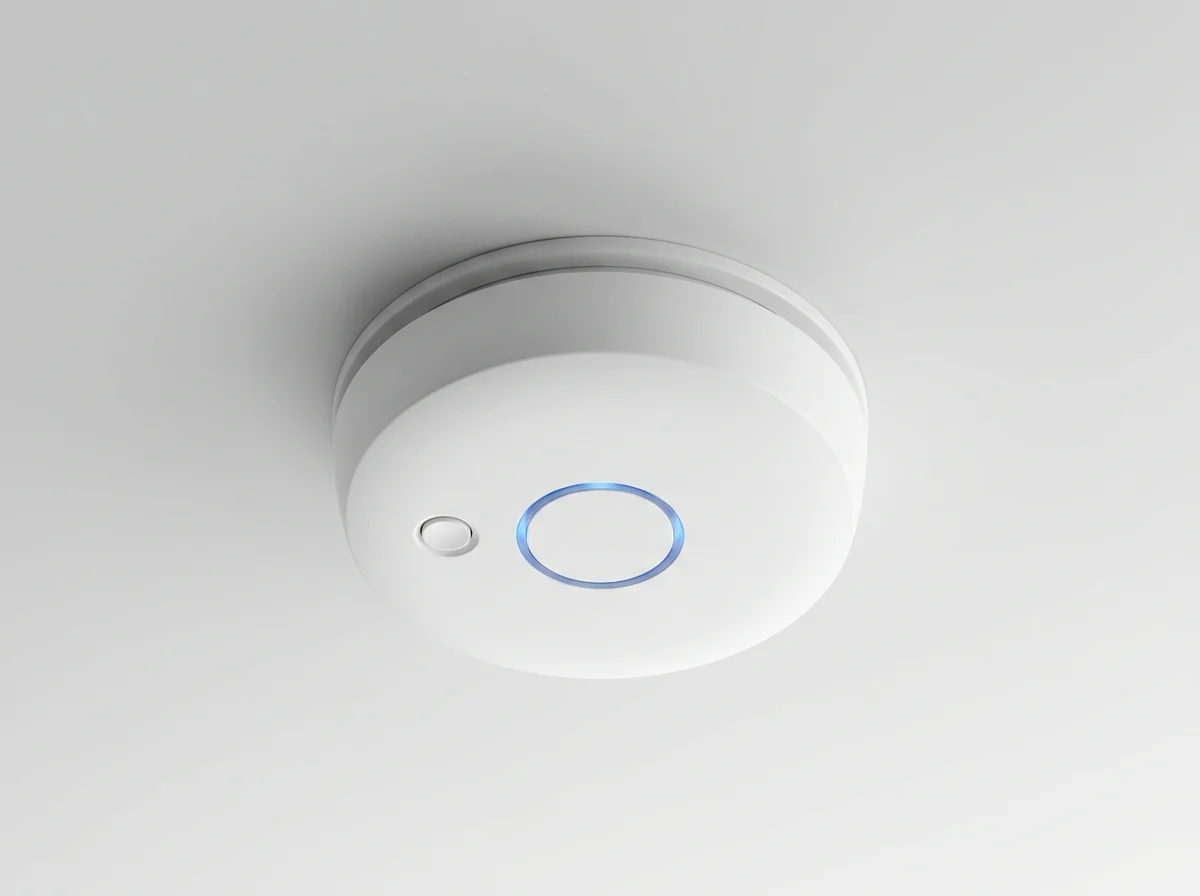
Single-station photoelectric detector — the core stock unit.
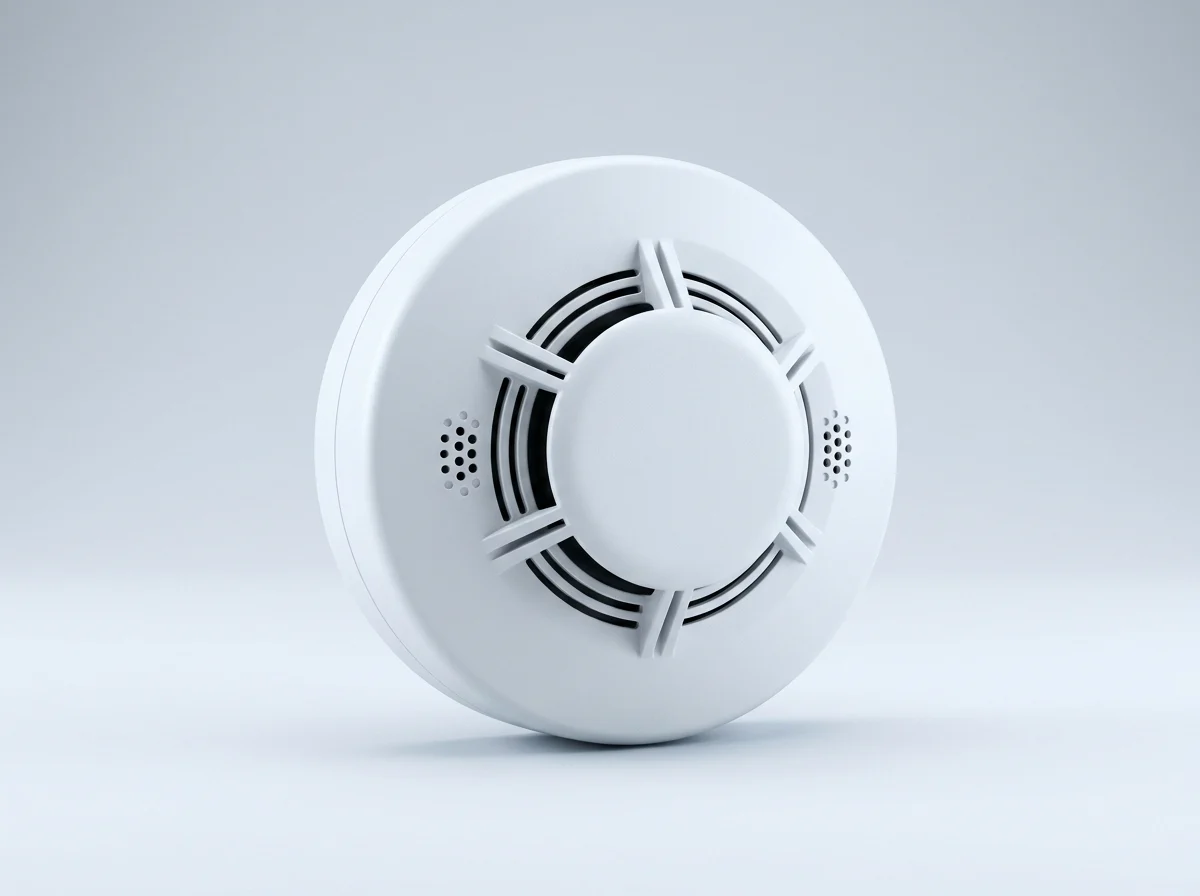
Photoelectric core plus a second sensing element for broader fire coverage.
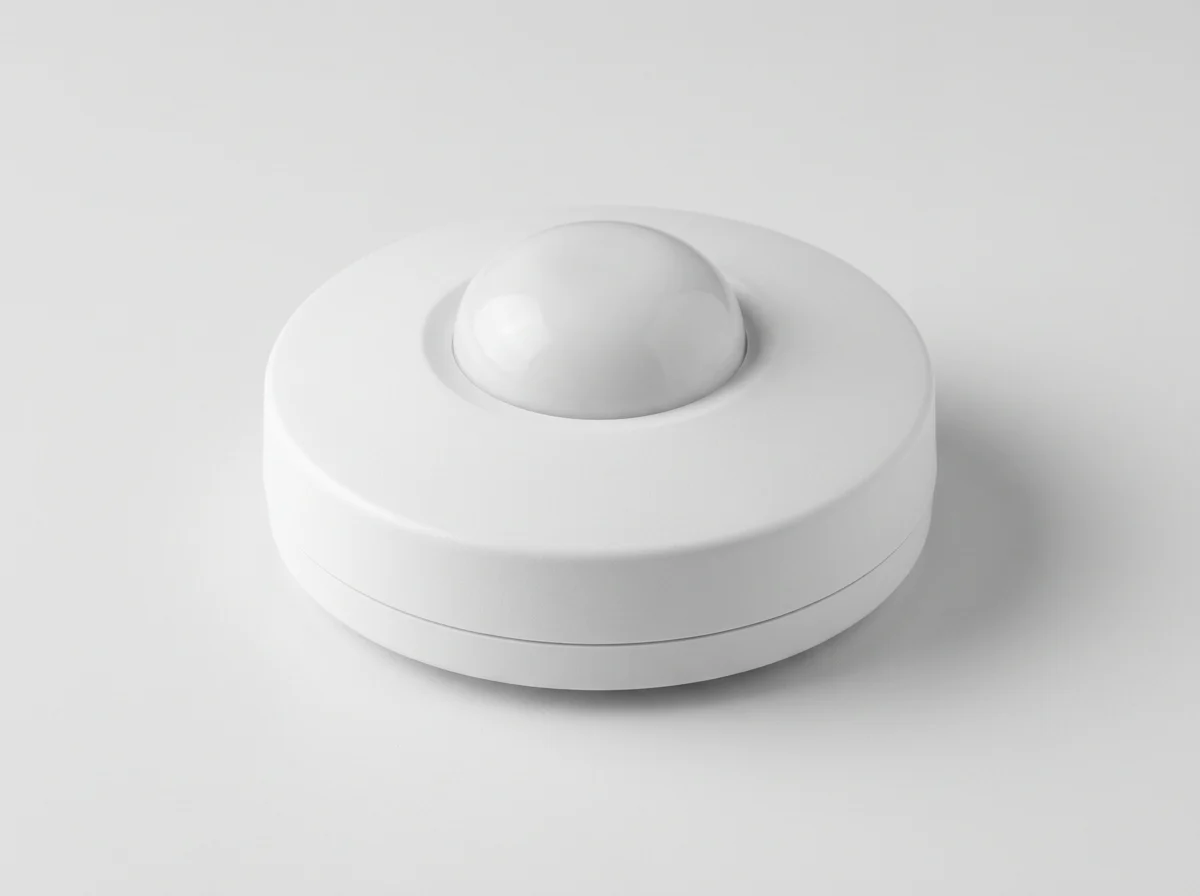
Fixed-temperature and rate-of-rise heat detection for kitchens and garages where smoke sensing misfires.
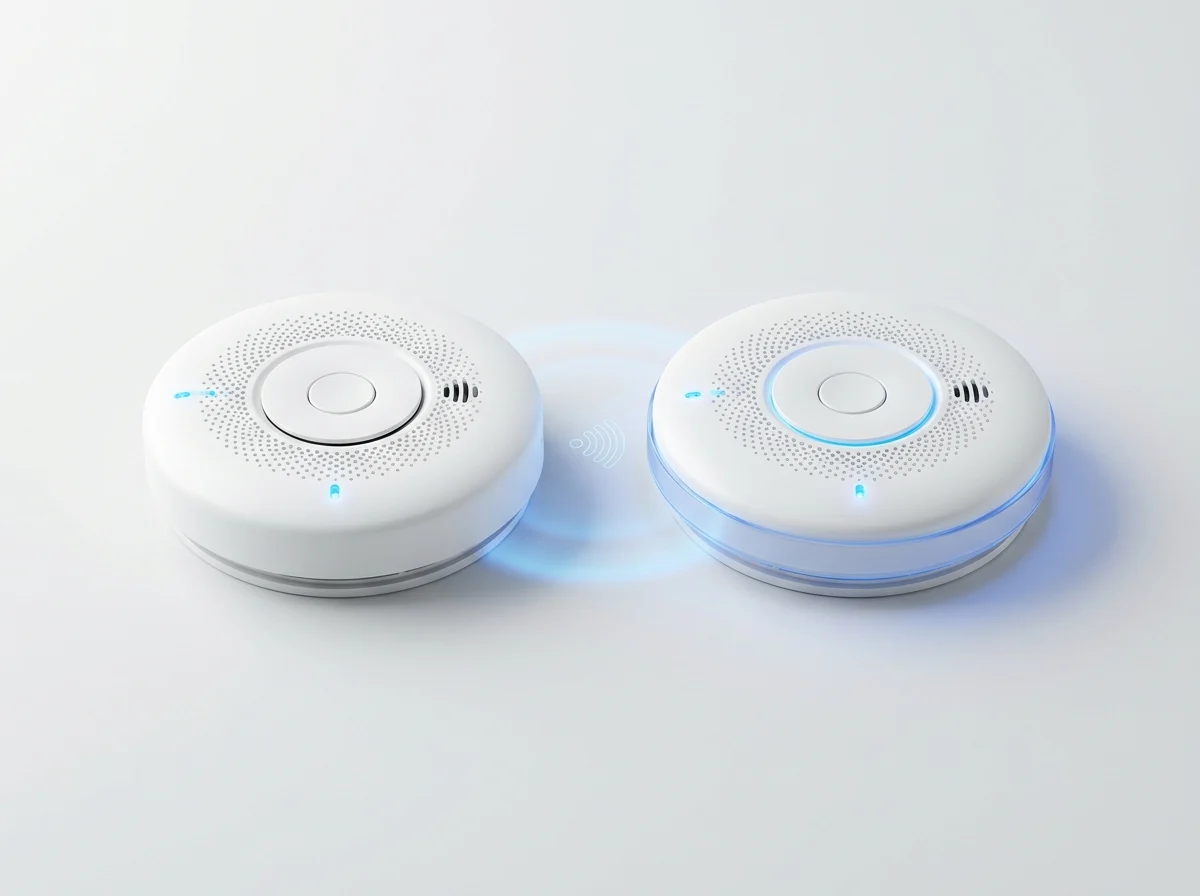
RF-linked units so one trigger sounds every alarm in the building.
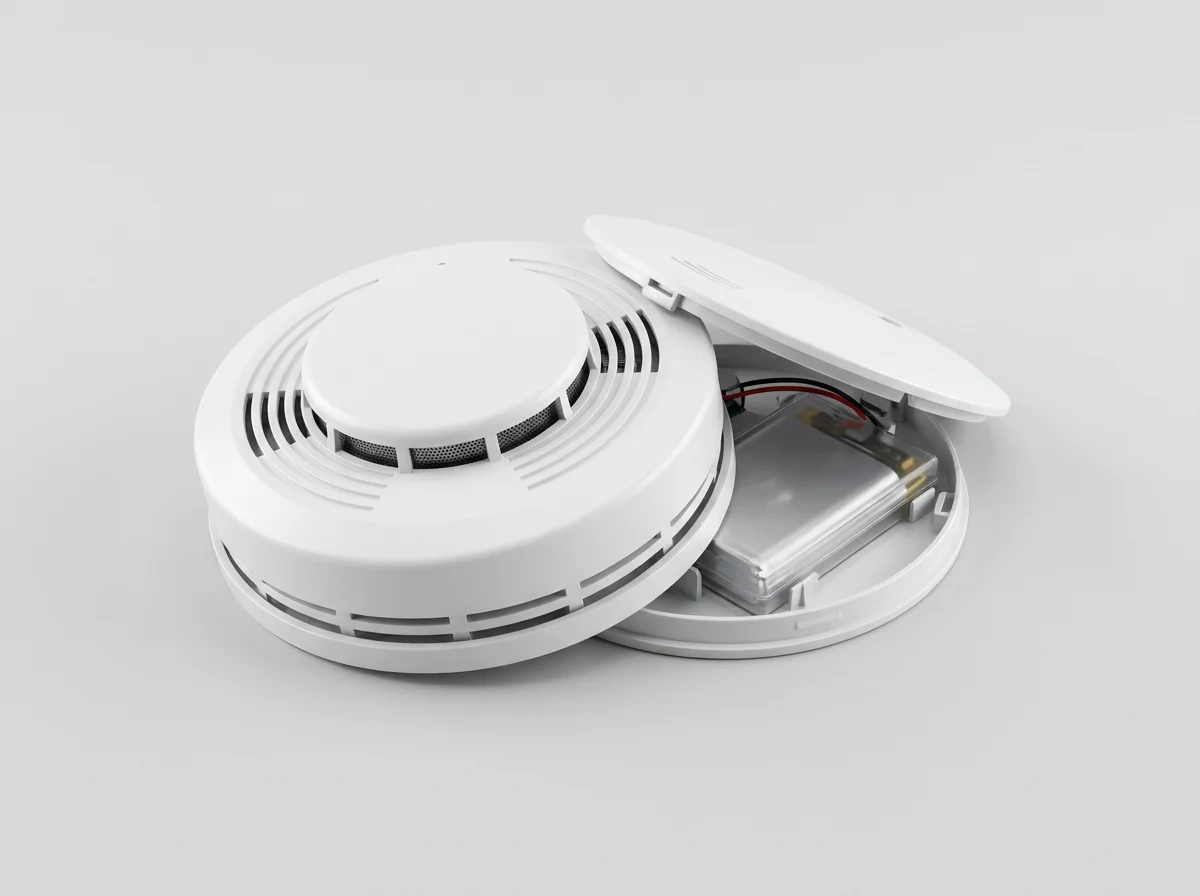
Fully wireless, no mains connection, sealed-battery powered.
Configure sensing type, interconnection, and housing into a detector no competitor is listing.
Build a custom unitNeed app alerts or a combined smoke-and-carbon-monoxide unit? Those sit on a dedicated page.
Photoelectric Sensing for Smoldering House Fires
Most fatal house fires begin as slow, smoldering fires — a cigarette in a sofa, wiring overheating behind a wall — that release large smoke particles long before open flame. Photoelectric sensing is built for exactly this stage. Inside the sealed sensor chamber, an infrared LED and a photodiode sit at an angle to each other, so in clean air the light beam misses the sensor entirely. When smoke drifts in, its particles scatter that light onto the photodiode; once the scattered signal crosses the alarm threshold, the unit sounds.
Because the larger particles of a smoldering fire scatter light efficiently, a photoelectric chamber catches this smoke earlier and more dependably than an ionization sensor — which reacts better to fast flaming fires but trips far more often on cooking and steam. That is why photoelectric is the platform we build the whole line around. The chamber uses a labyrinth baffle that admits smoke while keeping ambient light, dust, and insects off the optics, and the LED and photodiode are matched and calibrated on the line so sensitivity stays consistent from the first unit in a batch to the last. Dual-sensor models add a second sensing element on top of this photoelectric core for buyers who want the widest single-unit fire coverage.
- Beam sits idle in clean airThe angled IR LED and photodiode never see each other while the chamber is clear.
- Smoke enters the labyrinthBaffle fins let smoke in but bounce out stray light, settled dust, and insects.
- Particles scatter the beamSmoke droplets deflect the infrared beam onto the photodiode.
- Threshold crossed → alarm soundsOnce scattered light passes the set point, the 85 dB sounder fires.
False-Alarm Reduction: Anti-Cooking-Fume, Anti-Dust, Anti-White-Light
The fastest way to lose a smoke-alarm listing is a wall of reviews saying the unit screams every time someone cooks. When that happens, end users pull the battery and the alarm protects no one. We attack nuisance alarms on two fronts: the chamber and the algorithm.
The labyrinth photoelectric chamber already rejects two of the three most common false triggers by design — stray white light and settled dust are baffled out before they reach the optics — and a fine insect-and-dust mesh over the vents keeps grease aerosols and insects off the sensor. That leaves the hard case: a brief cloud of cooking steam or fume that momentarily reads like smoke. This is where the electronics earn their place. The detector never alarms on a single reading; the firmware samples the chamber continuously and requires the smoke signal to stay above threshold across a multi-sample confirmation window of a few seconds before it sounds, filtering out the short-lived spikes from steam and fume that trip cheaper single-reading sensors.
Sensitivity is tuned to the smoldering-fire particle range rather than set hair-trigger, and every chamber is verified on the line so false-alarm behavior stays consistent across a batch. What your end user notices is an alarm that stays quiet through normal cooking and still sounds on a real fire — which keeps it on the ceiling and keeps your reviews clean.
Multi-sample confirmation window
The firmware requires smoke to hold above threshold across several seconds of readings before it sounds, so a passing cloud of steam never trips the alarm.
Labyrinth baffle + insect mesh
Baffle fins and a fine mesh over the vents keep dust, grease aerosols, and insects off the optics before they can register as smoke.
Baffled optical chamber
The sealed, matte labyrinth blocks ambient and stray white light from reaching the photodiode, removing a common source of phantom triggers.
10-Year Sealed Lithium Battery, Hush Button, Low-Battery Warning
Buyers return smoke alarms for two battery reasons: the 3am low-battery chirp that drives users to rip the unit off the ceiling, and the dead 9-volt cell that leaves a detector silent when it matters most. The 10-year sealed battery answers both. Each unit carries a sealed lithium cell rated to power the detector for a full 10-year service life — the same working life as the sensor chamber itself — so there is no annual swap and no drawer of spare 9-volt cells.
Sealed lithium chemistry holds its voltage steadily across the decade, so the sounder stays at full rated output instead of fading as the battery ages. When the cell nears the end of its life at the 10-year mark, the unit gives a distinct low-battery warning chirp followed by an end-of-life signal telling the user to replace the whole detector — the correct action once a sealed unit is spent. That 10-year figure is validated against the UL 217 battery-life requirement rather than taken on trust, and the test conditions are available on request.
- 10-year sealed lithium cellNo annual battery swap; the tamper-resistant compartment stops tenants popping the cell out to silence a chirp.
- Hush / silence buttonQuiets a nuisance activation for several minutes after burnt toast without disabling the alarm; it re-arms automatically.
- Dedicated test buttonConfirms the sounder and circuit on demand, so an end user can verify the unit at any time.
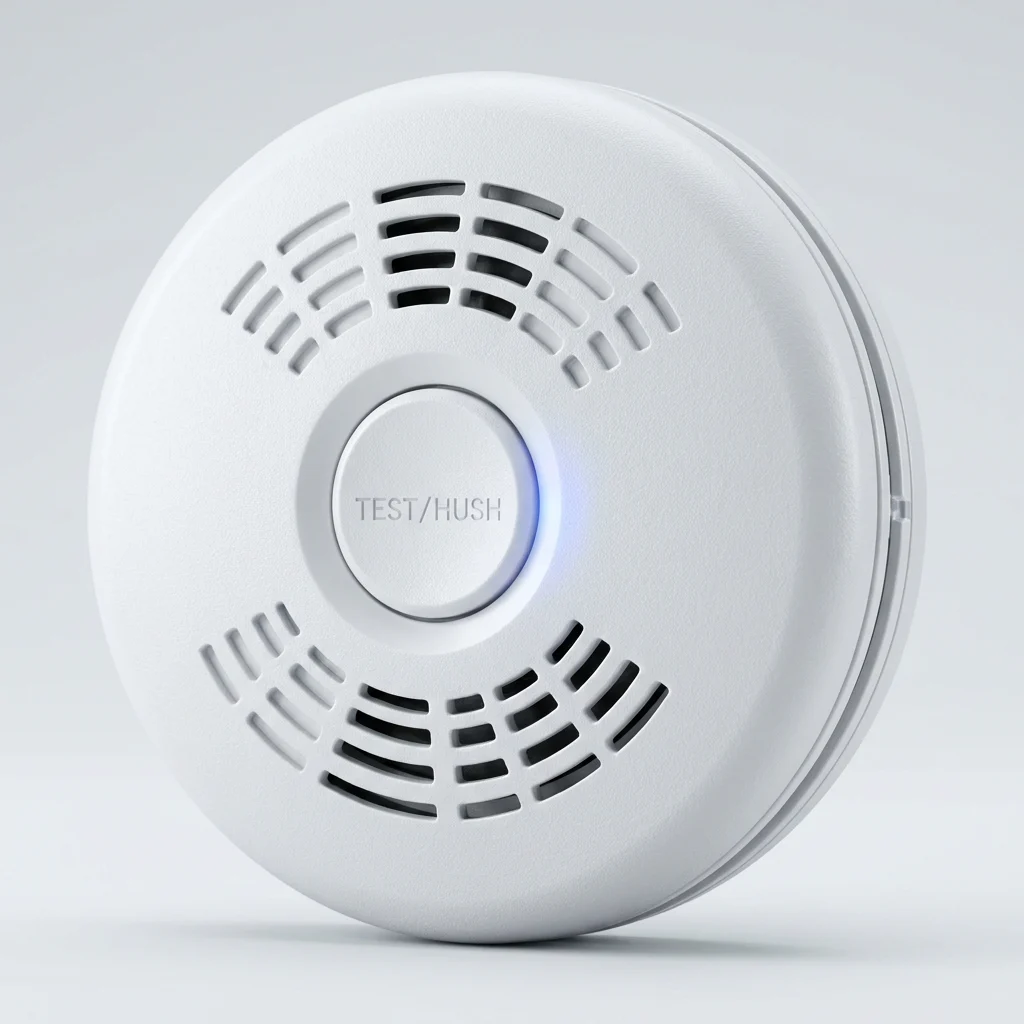 Sealed, tamper-resistant
Combined hush / test
Sealed, tamper-resistant
Combined hush / test
Smoke Detector Specifications
Every model ships with a full spec sheet so your listing copy and compliance team work from the same numbers.
- Sound output85 dB at 3 m
- Sensing typePhotoelectric (dual-sensor optional)
- Power10-year sealed lithium battery
- MountingCeiling mount, twist-lock base bracket
- ControlsCombined test / hush button
- Sensor chamberSealed photoelectric chamber with insect/dust mesh
- Smoke sensitivity1.5–3.0 %/ft obscuration (UL 217 range)
- Coverage areaup to 40 m² per unit
- InterconnectionStandalone or RF-interconnected (model-dependent)
- Operating temperature0 °C to 45 °C
- Operating humidityup to 93% RH, non-condensing
- HousingFlame-retardant ABS, white
- Dimensionsapprox. Ø110 × 38 mm
- Standard tested toUL 217 / UL 268 · EN 14604 · CE
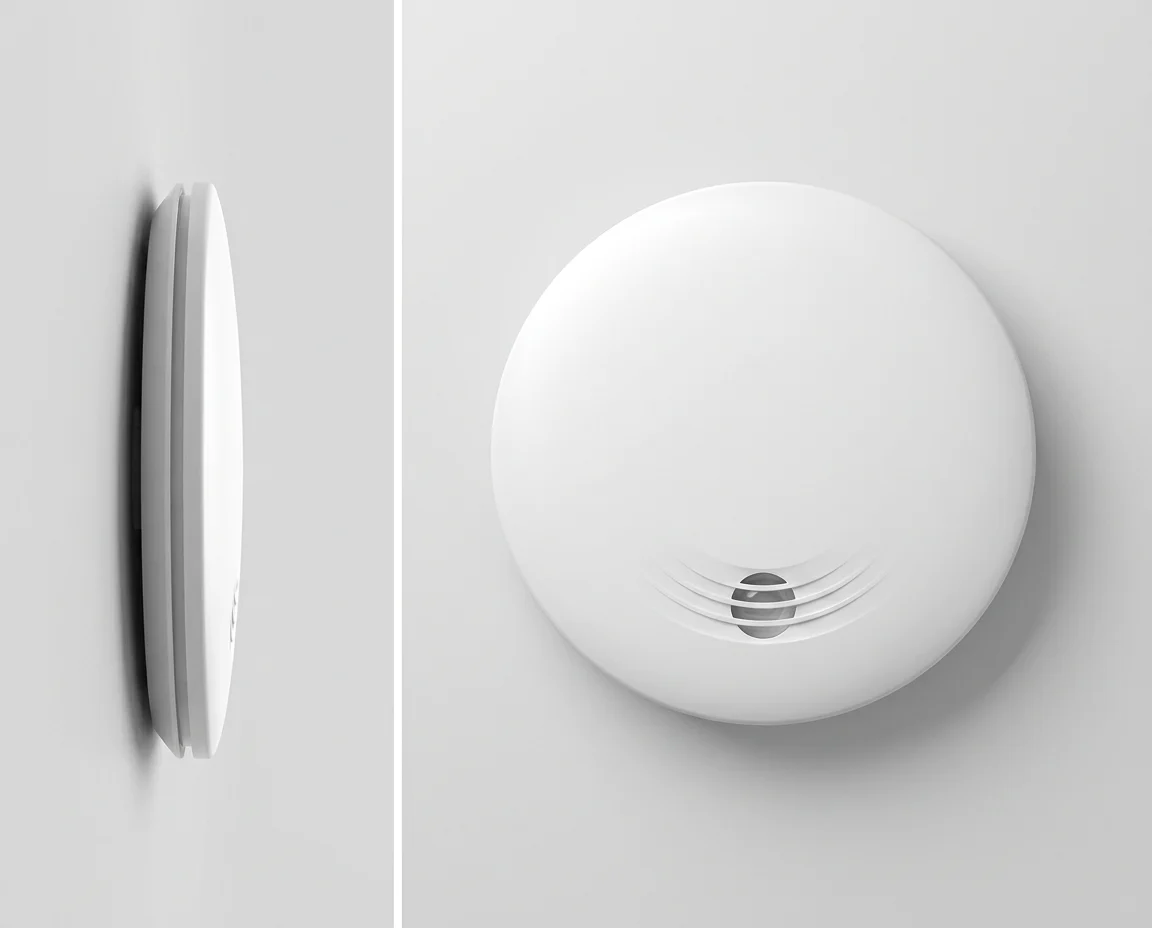
Exact dimensions, operating range, and per-SKU tolerances are confirmed on the model spec sheet with your quote.
OEM and ODM Smoke Alarms: Private Label, Options and MOQ
Private-label buyers come to us to put their own brand on a certified detector rather than reselling the same unmarked unit their competitors already list. As their wholesale smoke detector supplier, we back that with an in-house R&D bench — 20+ engineers spanning circuit design, chamber and enclosure structure, and detection firmware — so customization runs from a printed logo all the way to a re-tooled housing and a re-configured sensing setup.
What you can change
- BrandingPrinted or laser-marked logo, custom housing color, and full retail packaging with your artwork and barcode.
- Sensing configurationStandalone photoelectric, dual-sensor, or a heat-alarm variant for kitchens and garages.
- InterconnectionAdd RF wireless interconnection so units link across a whole building.
- HousingA new molded shell when you want a shape no competitor is selling.
MOQ tiers, fixed so you can plan
Fire-Safety Certifications: UL 217, UL 268, EN 14604, CE
For a smoke alarm, certification is the compliance gate everything else depends on. Without the right approvals a shipment is held at customs and a fire-safety product becomes a liability instead of an asset — which is why serious buyers check the certificate set before anything else. Our detectors are built and tested to the fire-safety standards your channels require, and each one opens a specific market.
217
UL 217
US standard for single- and multiple-station residential smoke alarms — the baseline for selling into the United States and Canada.
268
UL 268
US standard for system-connected smoke detectors used in commercial fire alarm systems, for the commercial and institutional channel.
14604
EN 14604
European standard for smoke alarm devices — the test basis required for CE marking and sale across the EU and EEA.
CE
Conformity marking for the European market, supported by the EN 14604 test evidence.
| Model type | UL 217 | UL 268 | EN 14604 | CE |
|---|---|---|---|---|
| Standalone photoelectric | ✓ | – | ✓ | ✓ |
| Dual-sensor | ✓ | – | ✓ | ✓ |
| Heat alarm | ✓ | – | ✓ | ✓ |
| Interconnected wireless (system-capable) | ✓ | ✓ | ✓ | ✓ |
✓ certified / in scope · – not applicable to this model type.
Certification scope is stated per model and per sensing configuration, and additional market approvals can be arranged on request for buyers outside these regions. Every unit is built on the same certified sensor platform, so the compliance you confirm on a sample is the compliance you receive in bulk. Certificates and test reports are available on request — we do not publish registration numbers on the page; they are shared with your quote so you can verify them against your own customs and listing requirements. The full inspection loop and test lab are detailed on our quality control & certifications page.
Why Source Your Smoke Detectors From Our Factory
Buying at the source means your specification goes straight to the people who mold the housing, populate the boards, and run the final function test — with no trading-company layer adding a markup or garbling the brief on the way to the line. For a reseller that shows up where it counts: 98% on-time delivery on committed dates, 100% functional inspection where every detector is powered on and tested before packing, 20+ QC checkpoints across the line, and 500,000 pcs per month of capacity for real reorder volume. About 70% of our order volume is repeat business, and a fast bilingual team answers within your working day.

Who Buys Our Smoke Detectors
Our detectors fit buyers who move volume and need certified, false-alarm-resistant units.
Marketplace & e-commerce sellers
Amazon, eBay, and Shopee listings where a UL or EN certificate is a hard listing gate.
Deliverable: a market-matched certificate pack and FBA-ready labeling.
Property, builder & institutional buyers
Housing developers, facility managers, and compliance-mandated fit-outs ordering detectors in volume.
Deliverable: RF-interconnected units and volume terms for whole-building coverage.
Security & fire-safety distributors
Stockists who need certified bulk supply they can shelve and turn over.
Deliverable: catalog stock held ready and reorders replenished in 15–20 days.A fuller breakdown of buyer segments and our full product range across all 14 safety categories sits on the home page.
Request a Quote, Samples or Catalog
Send your target model, quantity, and market, and we come back with a quote, MOQ, and lead time. A functional sample ships before bulk and the sample charge is credited against your order. Ask for the full product catalog if you want to see the range first.