Bike Alarm Manufacturer and Wholesale Bicycle Security Alarm Supplier
A bike alarm only earns its place in your range if it screams the second the bike is grabbed, tilted, or wheeled off, and stays silent when a bus rolls past or the wind knocks the frame. Every unit bolts to the frame, reads the bike's own movement on a 3-axis accelerometer, and answers a real tamper with a loud deterrent siren plus a wireless alert to the owner's fob or phone — with a 7-level sensitivity gate so it holds its nerve on a busy street.
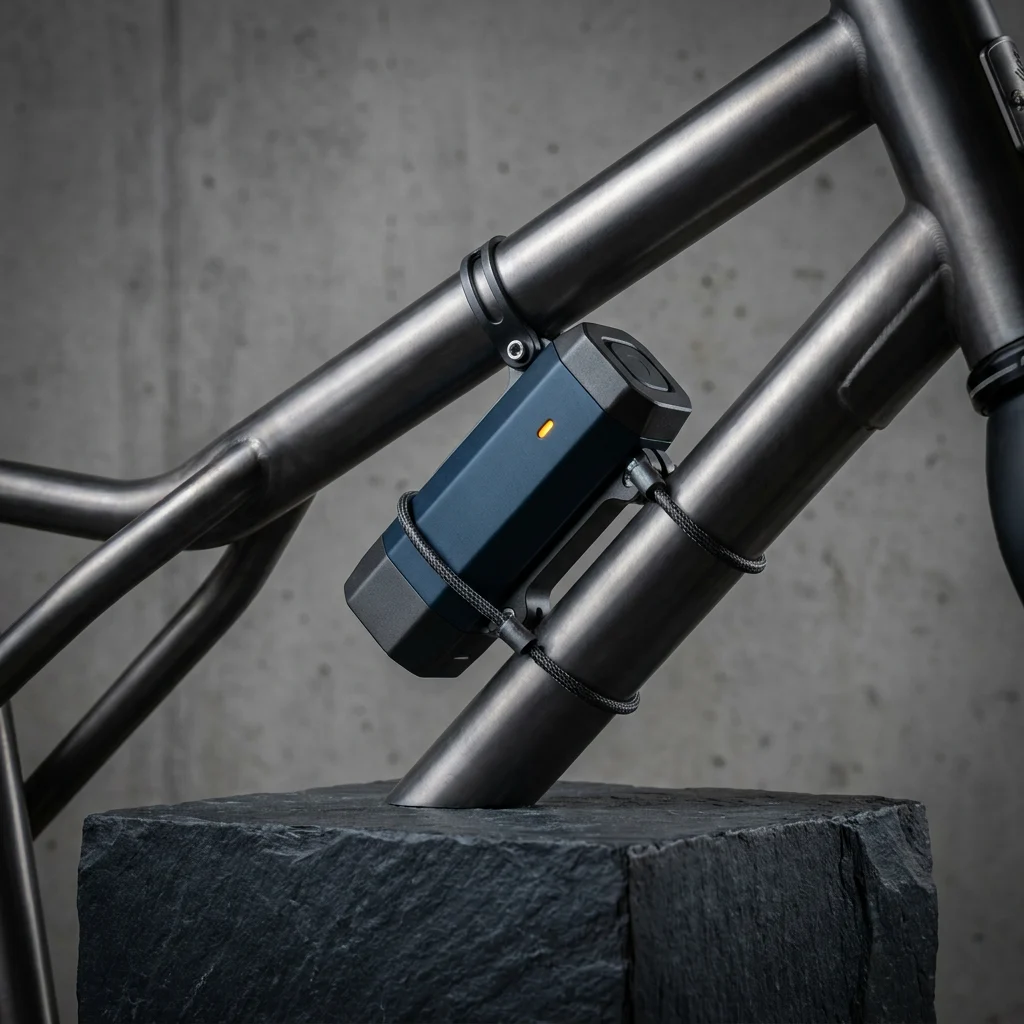
The Bike and E-Bike Alarms We Manufacture
Buyers usually stock a cycling-security shelf by pulling a basic frame alarm from one supplier and a GPS unit from another, then discover the two behave nothing alike in the rain. We build the whole range on one accelerometer-and-firmware platform, so every form factor arms, senses, and re-arms the same way — what changes from model to model is the body, the mount, and how the owner gets alerted.
The core stock unit — accelerometer-triggered siren with an RF fob, the vibration-sensor body the rest of the line branches off.
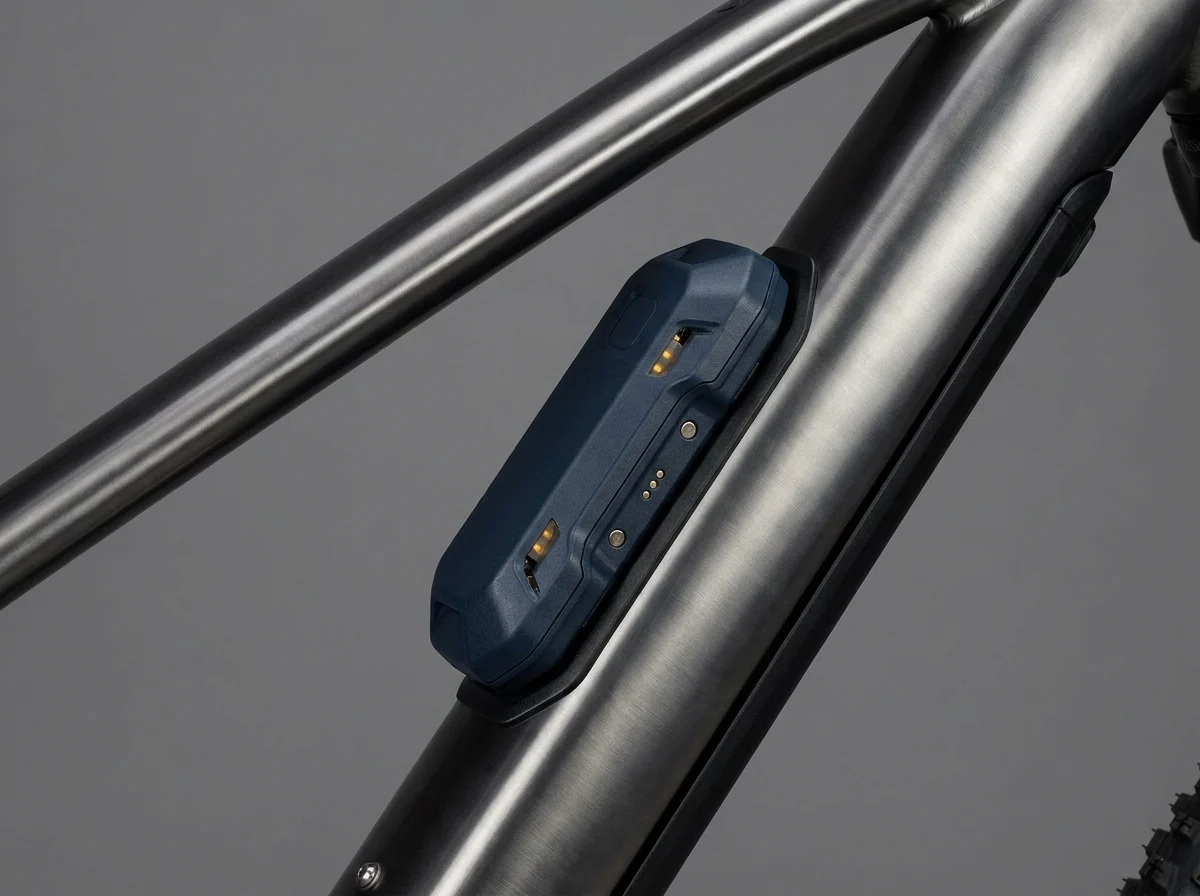
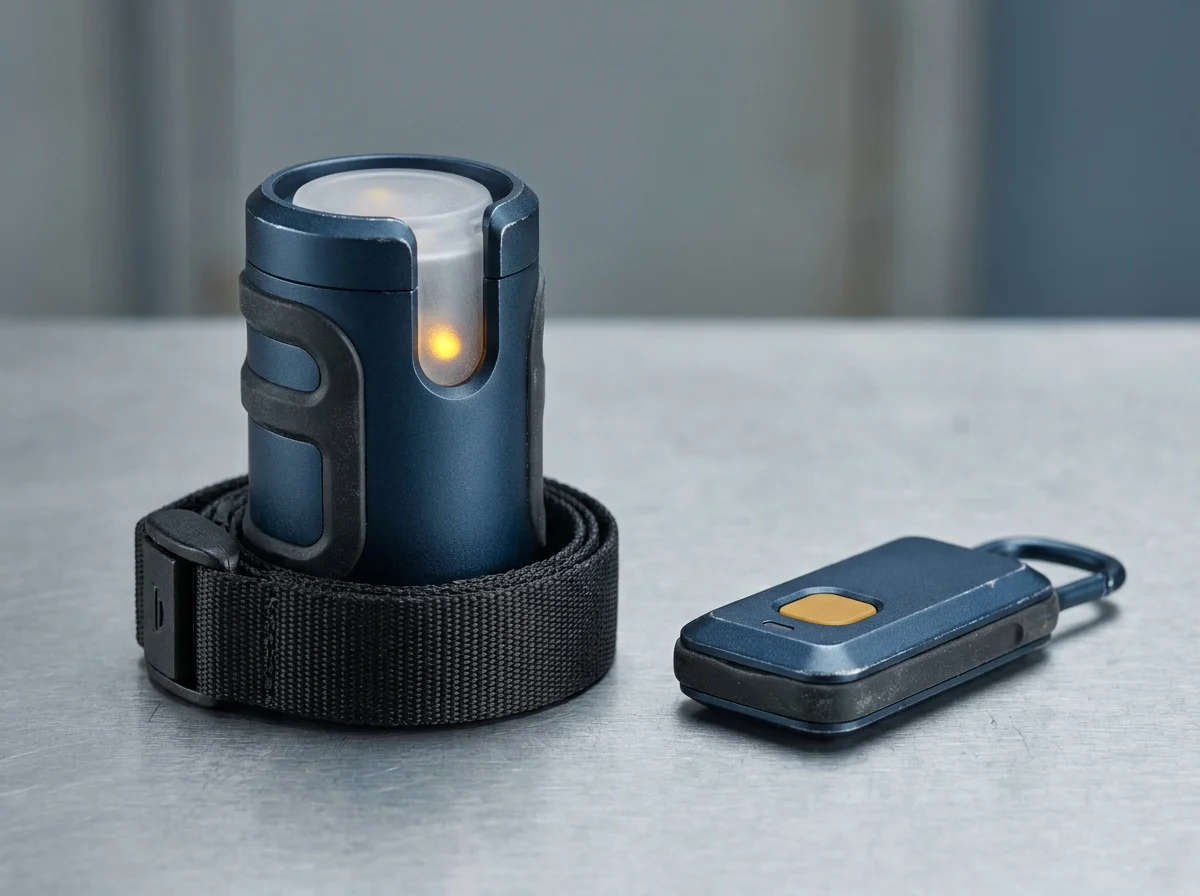
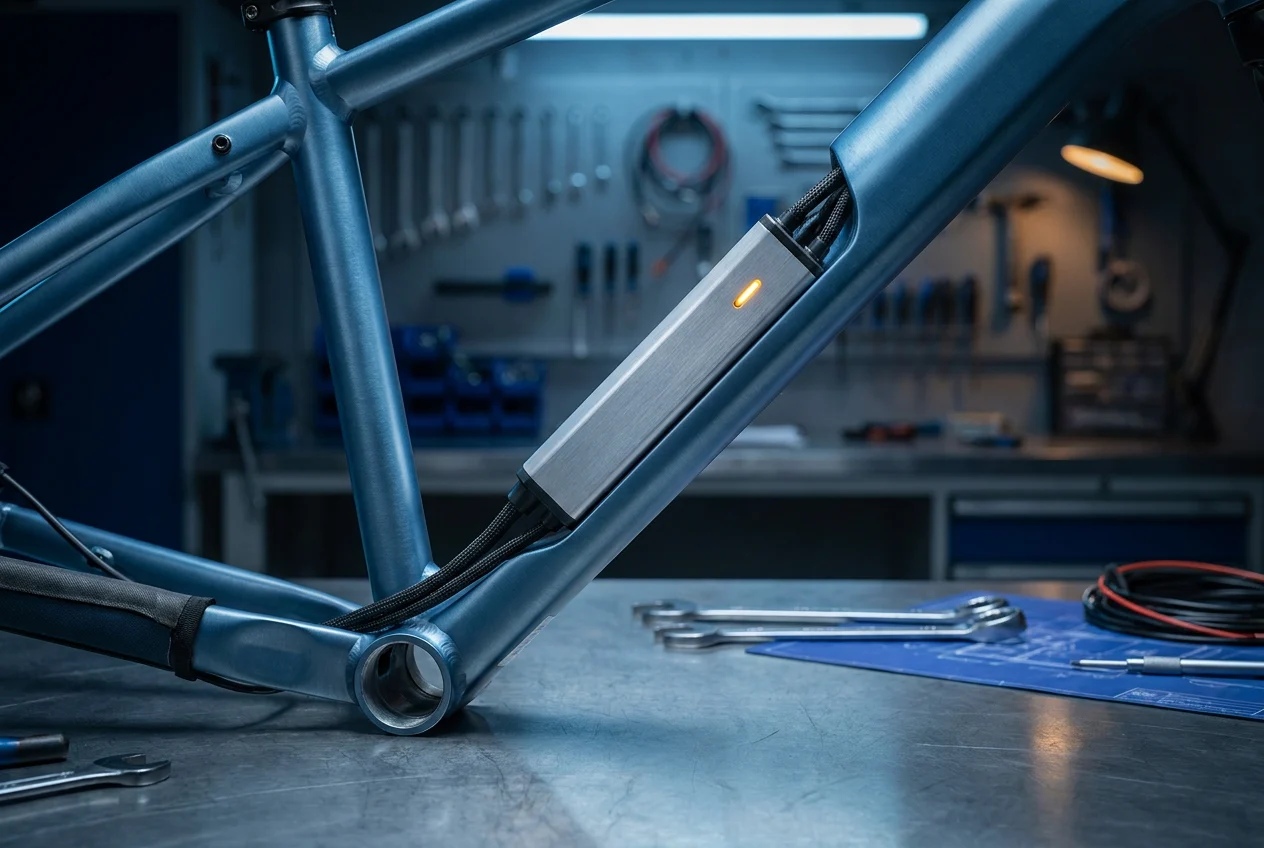
Built to sit in the frame or battery bay of an e-bike and wire into its power, so it never needs a separate charge.
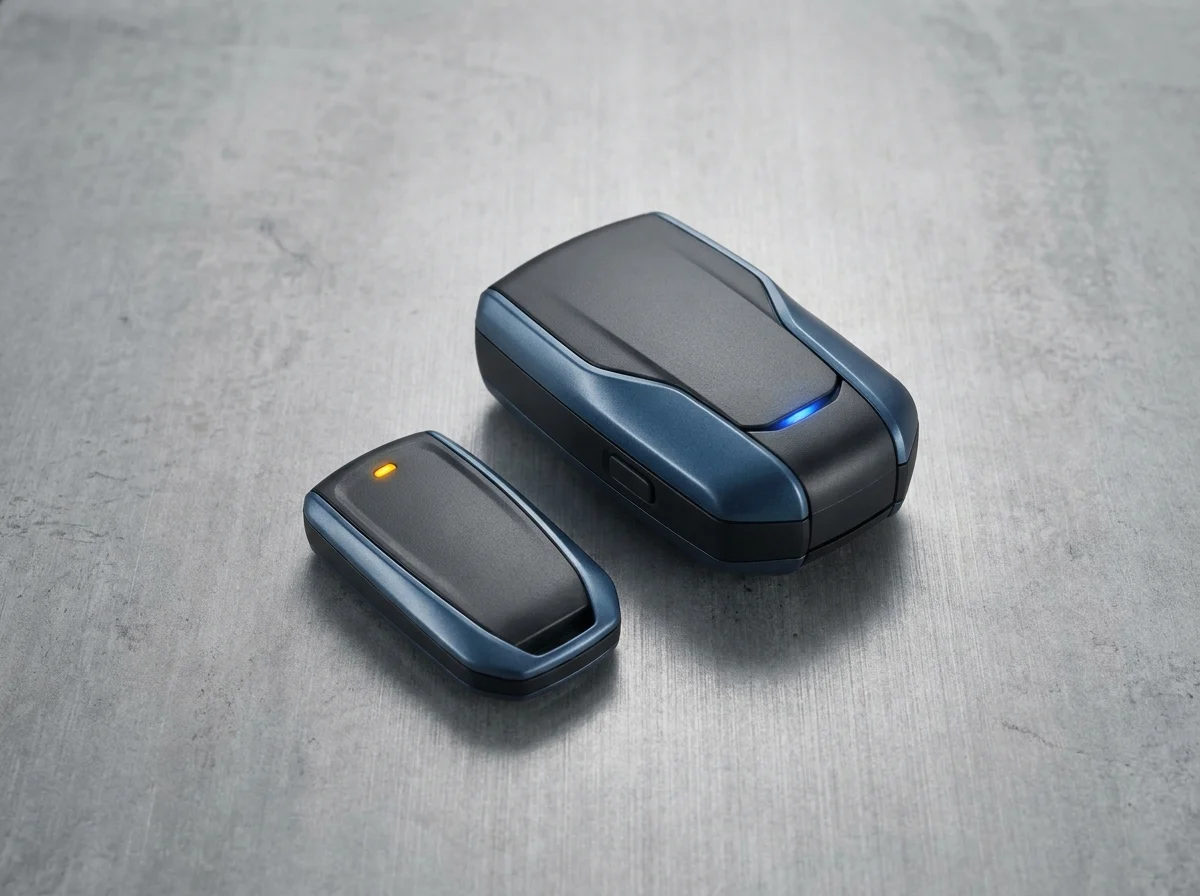
A pared-down model armed and found by the wireless fob only, no app — the value SKU for straightforward retail.
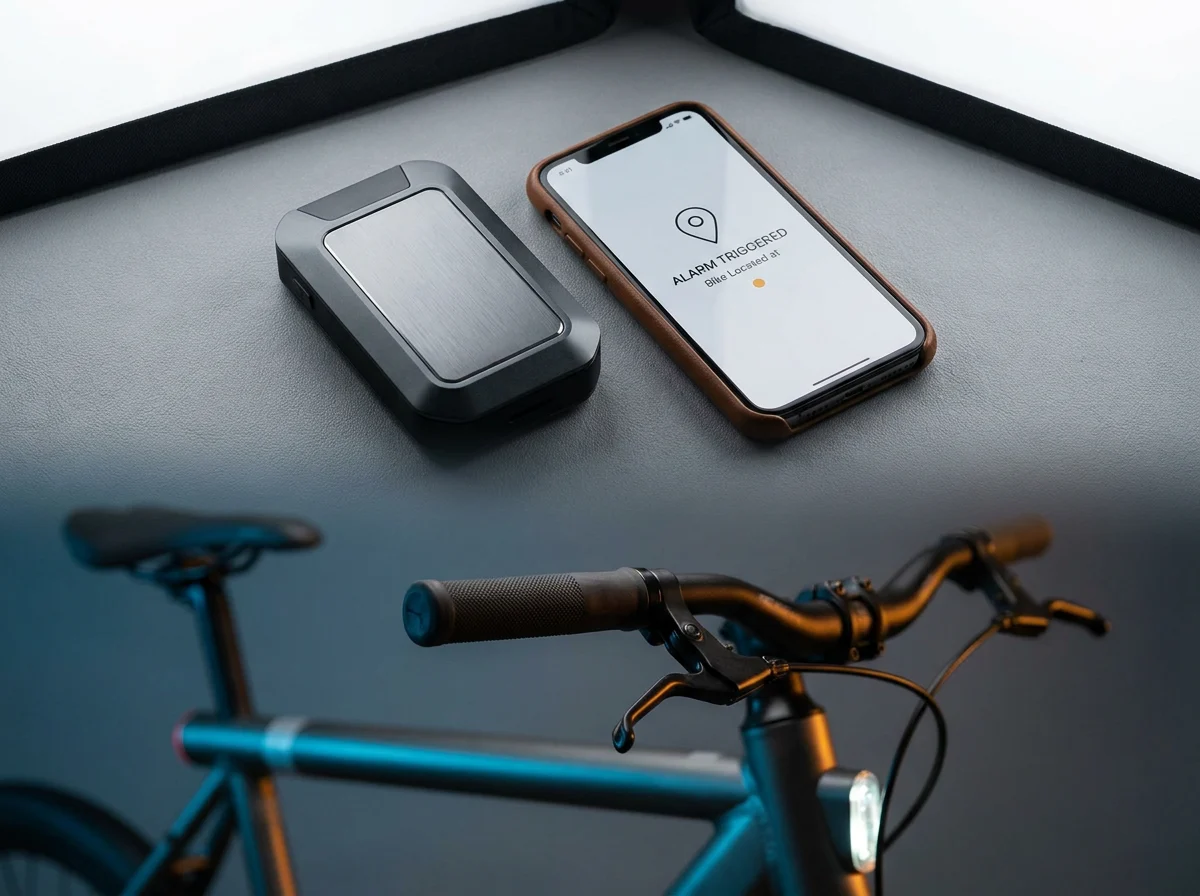
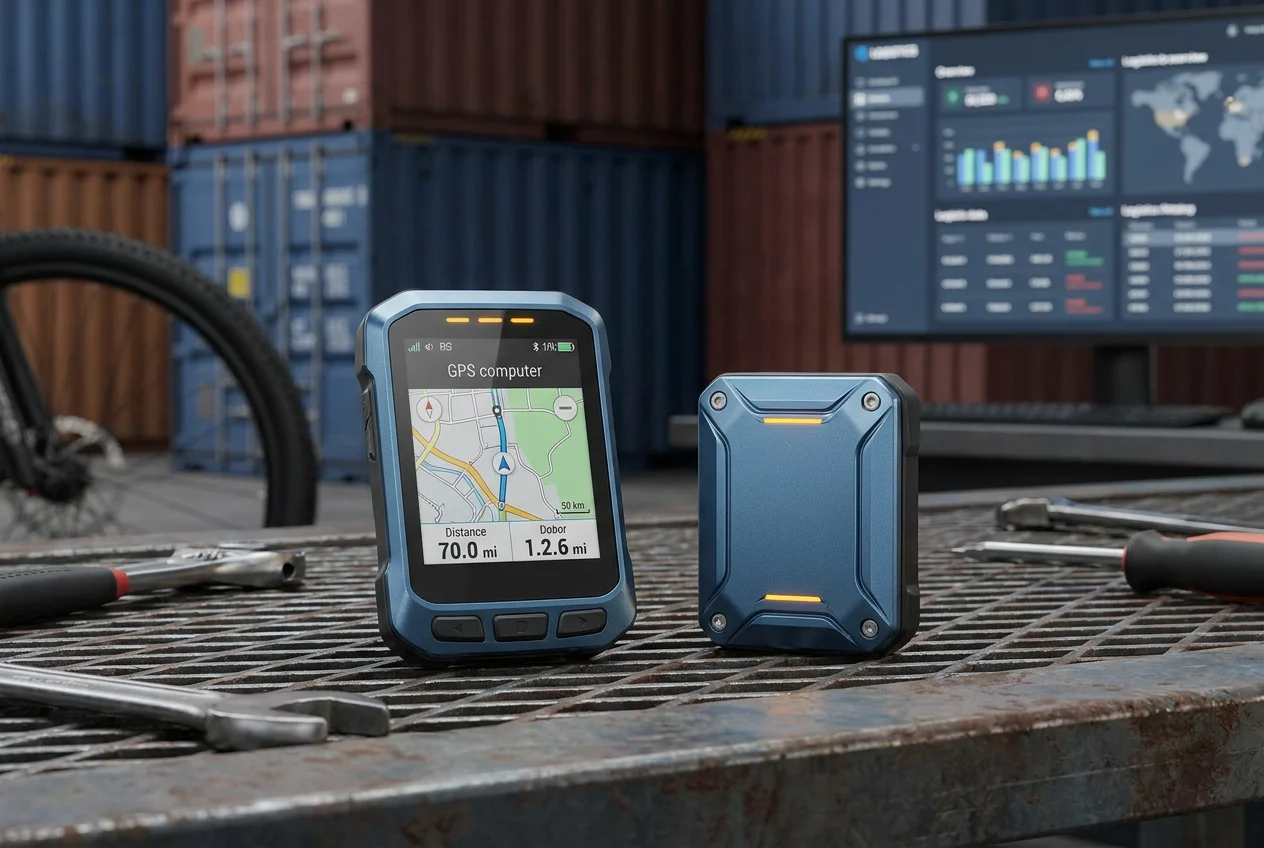
The vibration alarm plus a GPS-located app push, so a trip reaches the owner off the bike with the spot it happened.
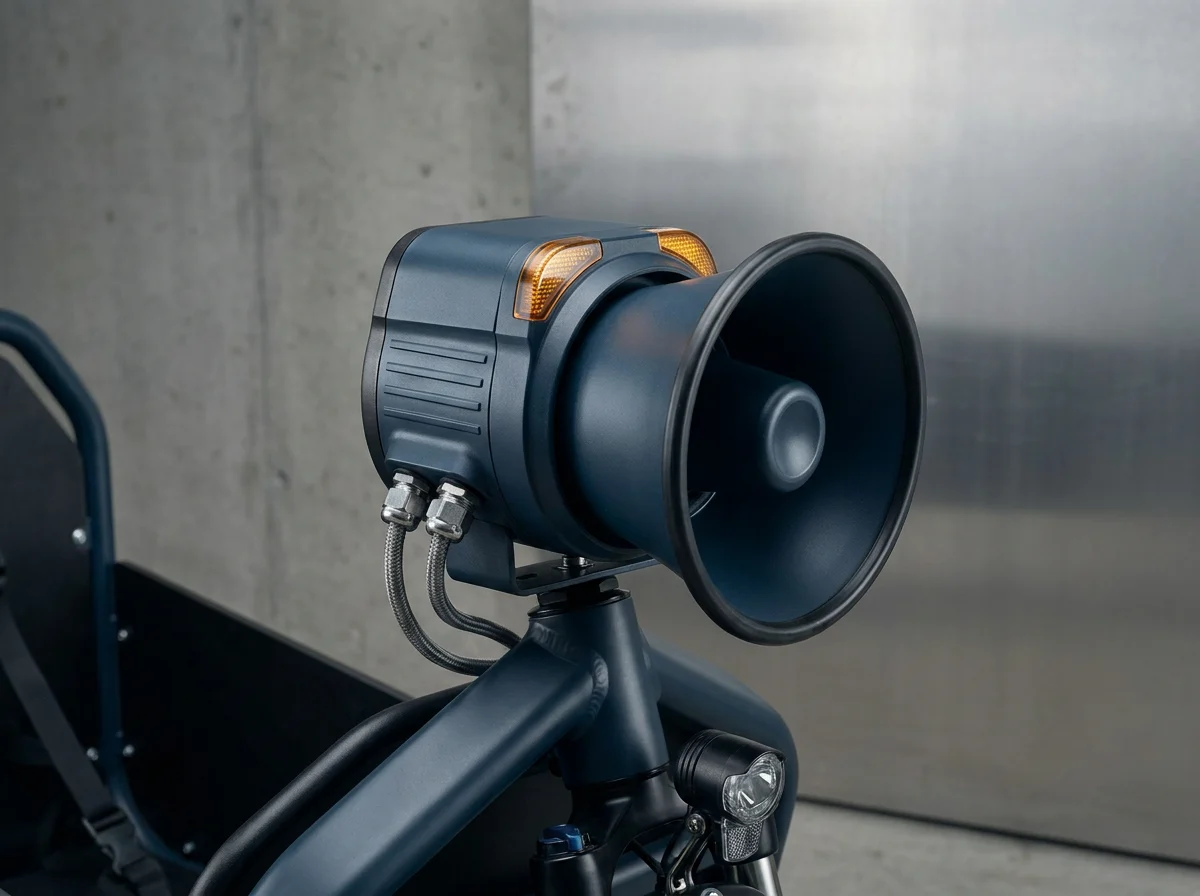
A higher-output deterrent body for cargo bikes and high-value builds parked in the open.
Vibration, Tilt, and Motion Detection With 7-Level Sensitivity
This is the part that decides whether an end user keeps the alarm armed or rips it off after a week, so it is where we put the engineering.
- The unit reads the bike's own movementInside every unit a 3-axis accelerometer reads the shove of a hand testing the lock, the tilt of a wheel being lifted, and the roll of the frame being walked away — so it protects the whole object at once, with no beam to align or zone to aim.
- 7 sensitivity levels set the gateThe rider sets the level on the unit or the fob: level 1 wakes only for a firm pry or lift, level 7 catches the lightest touch, so the alarm is tuned to where the bike actually lives — a quiet garage or a busy kerb.
- Wind and traffic stay below the lineA gust catching the wheel, a truck rumbling past, or a brush against the frame all sit under the set level and are simply ignored — this is what stops the cry-wolf false siren that gets an alarm binned.
- A real pry crosses it and tripsA firm pry or lift rises over the gate and fires. That change — quiet on wind, loud on a genuine attack — is the single mechanism that most separates a unit an owner trusts from one they mute.
A minor knock under the threshold triggers a short warning chirp only — roughly two or three beeps over about five seconds — a warning to step away, not a full alarm.
A sustained or forceful tamper within the detection window escalates to the full siren, while any knock below the set level is ignored. Warn on a bump, scream on a genuine attack.
Deterrent Siren, Wireless Remote, and App Alert
Detection is only half the job; what a tamper triggers is what actually stops the theft and reaches the owner. The response runs on two channels.
On the bike — a re-arming deterrent siren
The alarm answers a confirmed tamper with a deterrent siren rated around 110–113 dB — loud enough on a street to make a thief abandon a half-started job and draw eyes to the bike. It runs for about 10 to 25 seconds per trigger and then re-arms itself automatically, so a bike left for hours stays protected through repeated attempts instead of firing once and going dead.
Off the bike — fob, and GPS app on the smart model
The standard line ships a 433 MHz fob that arms, disarms, sounds a locate-beep to find the bike in a crowded rack, and fires a panic alert, usable at roughly 10 metres and up to about 15 in line of sight. The smart / GPS model adds GPS positioning and a cellular app push the moment the alarm trips, with the spot it happened attached — an alert channel, not a live-tracking feed. The alert path is chosen by SKU and confirmed on your quote.
Outdoor Durability: IP65 Weatherproofing, Shock, and Sun
An alarm bolted to a bike lives its whole life outdoors — rained on, baked in the sun, rattled over potholes, splashed by passing traffic — so durability is a hard pass/fail here, not a bonus.
Rain, road spray, hose-down
Water is the first killer of a cheap unit — moisture creeps in, shorts the board, and the alarm dies or drones. Our units are sealed to IP65, covering rain, road spray and a bike-wash hose-down. Stated as a secondary weather note, not this alarm's headline metric.
Months in direct sun
The sealed housing uses UV-stable material so months of direct sun do not chalk or crack the shell, keeping the unit looking and sealing like new on a bike that never comes indoors.
Shock, vibration, temp
The internals are specified to take constant road vibration and the occasional knock or drop of a bike falling in a rack without loosening the sensor mount or the siren port, and to behave the same on a frozen commute or a summer lot.
Tamper-Resistant Mounting and Anti-Removal
An alarm a thief can silence by snapping it off or snipping a zip-tie is no alarm at all, so how the unit fixes to the bike matters as much as what it senses.
- Universal fit, one SKUA frame strap for round or aero tubes, a bracket that bolts to the bottle-cage bosses, a concealed seatpost or under-saddle position, and a zip-tie fallback for odd frames — one SKU fits a distributor's whole customer base.
- Tamper-resistant security screwsThe bracket seats with security screws rather than a standard head a thief can back out with a multitool, and a concealed mount denies them the unit in the first place.
Rechargeable Battery and USB-C Charging
The fastest way to annoy an end user into abandoning an alarm is a unit they have to unclip and carry indoors to charge, or one that dies quietly and leaves the bike unguarded. We build against both.
standby per charge
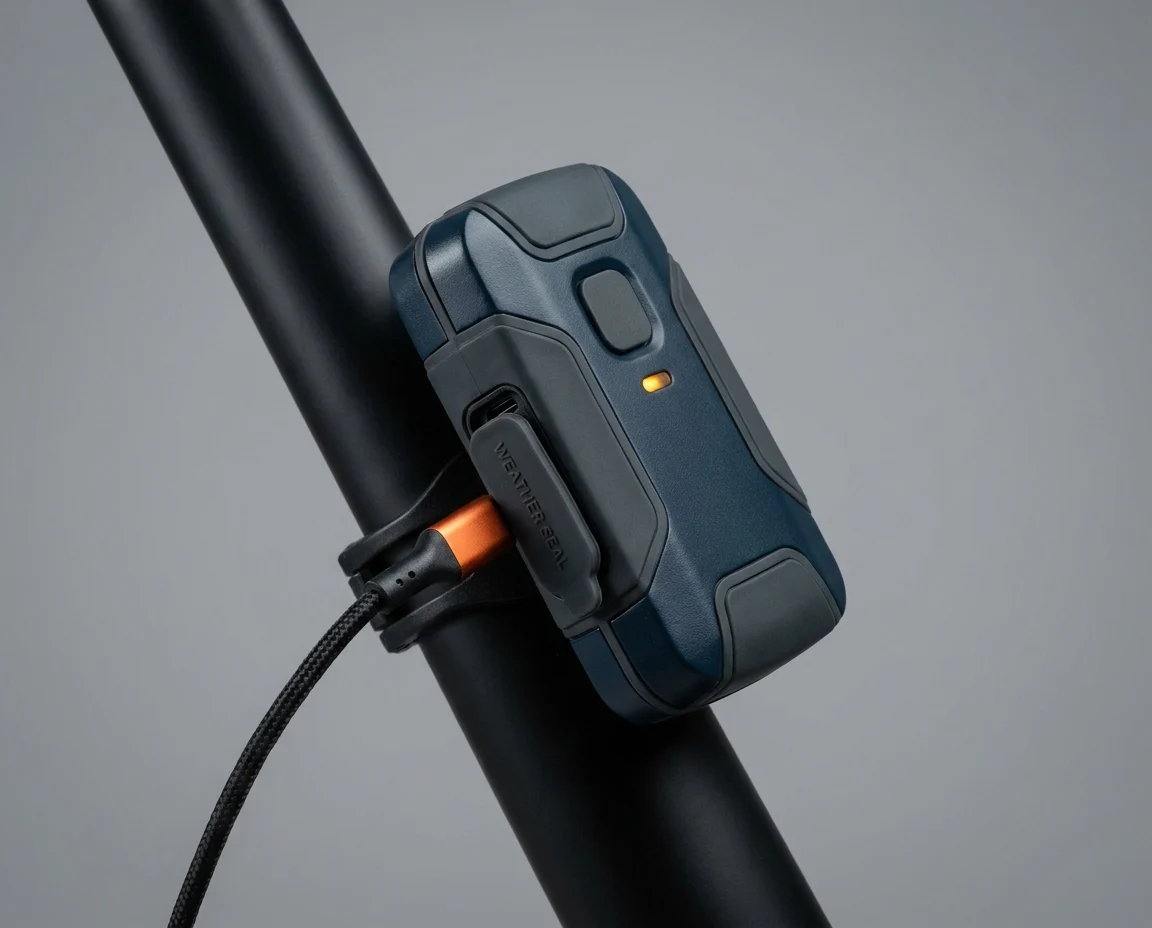
A sealed rechargeable lithium cell tops up through a weather-covered USB-C port, so the owner charges the unit in place or in seconds off any phone charger — no coin-cell hunt, no proprietary cable, and a full charge in roughly two to three hours. In armed standby the unit holds a charge for about six months, model- and sensitivity-dependent, so a commuter tops it up two or three times a year rather than weekly.
Bike Alarm Specifications
Every model ships with a full spec sheet, so your listing copy and your compliance reviewer work from one set of numbers.
| Sensor | 3-axis (3D) accelerometer — vibration / tilt / motion of the bike itself |
|---|---|
| Sensitivity | 7 levels, set on the unit or the remote fob |
| Trigger response | minor knock → warning chirp (~2–3 beeps / ~5 s); sustained / forceful tamper → full siren |
| Siren output | ~110–113 dB deterrent siren; ~10–25 s per trigger, then auto re-arm |
| Wireless remote | 433 MHz RF fob — arm / disarm / find / panic; ~10 m typical, up to ~15 m line of sight |
| Smart / GPS variant | GPS positioning + app push alert over cellular (GSM / 4G) SIM |
| Power | sealed rechargeable lithium, USB-C; ~6 months armed standby; ~2–3 h full charge |
| Ingress rating | IP65 weatherproof (outdoor weather note) |
| Mount | universal: frame strap / bottle-cage bracket / seatpost / under-saddle / zip-tie; security screws |
| Operating temp | −20 °C to +60 °C |
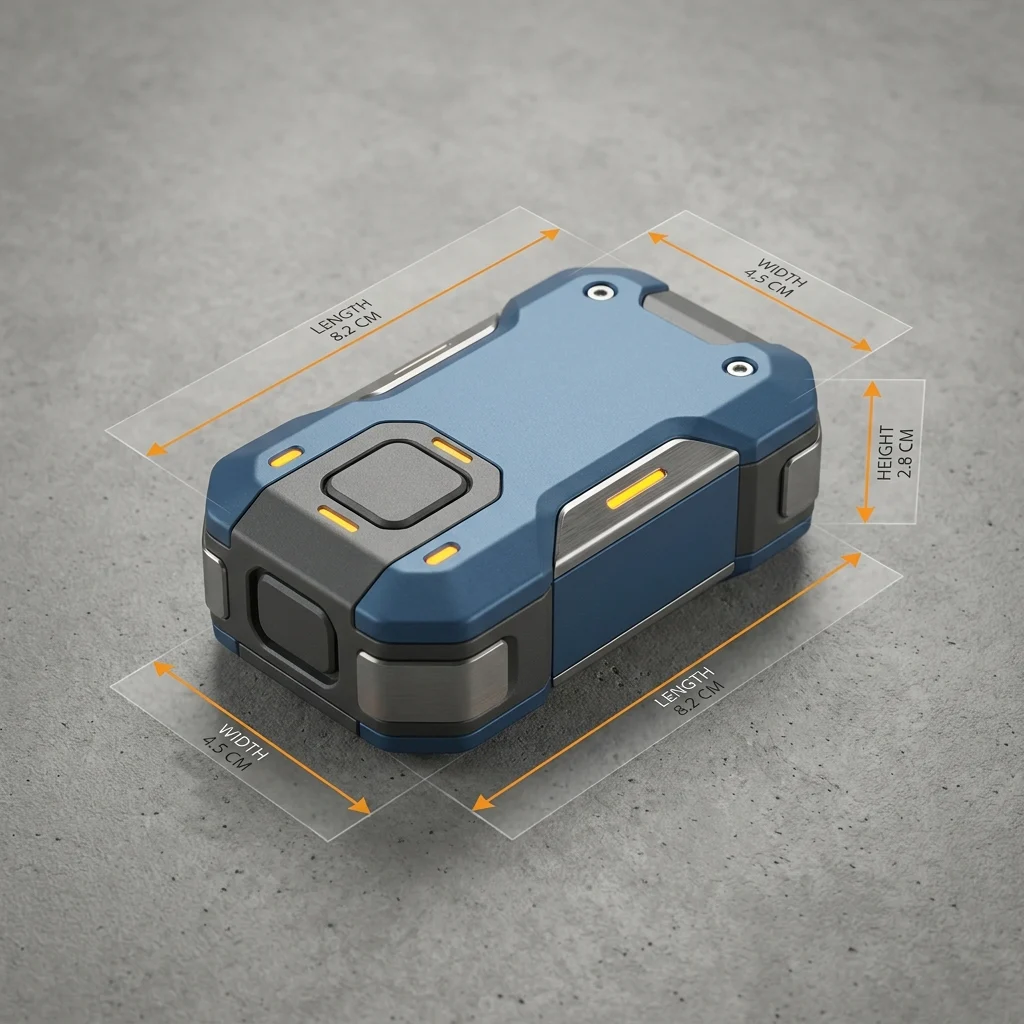
| Housing / weight | UV-stable sealed body; ~70 g, compact frame / seatpost form |
Exact range, standby, dimensions, and per-SKU tolerances are confirmed against the specific model on your quote.
OEM and ODM Customization With MOQ Tiers
The cycling-accessory buyers who come to us are usually running from the same public-mold alarm every rival lists — un-brandable, and legally exposed on EU and US IP checks. Our own engineering team, covering circuit, structure, and firmware, takes a bike alarm from a printed logo up to a housing no competitor sells.
- BrandingSilkscreen or laser logo on the shell, custom body color, a custom fob appearance, your manual layout, and retail-ready packaging with your artwork and barcode.
- Alert behaviorSiren tone and duration, the sensitivity-level defaults, and whether the SKU ships fob-only or with the GPS / app channel.
- MountA bike-specific bracket or a custom concealed position for your own frame or e-bike model.
- Housing (ODM)A new molded shell and internal layout when you want a form no rival is selling.
Certified for the markets your buyers sell into
A wireless alarm with a radio inside clears two gates before it can list — the general electronics approvals and the radio-equipment rules for its fob and cellular link.
Certifications: CE, RoHS, and FCC
Miss one and the unit is held at customs or pulled from a marketplace, so buyers check the set before anything else. Our bike alarms are built and tested to the following.
CE
EU / EEA conformity, including the radio-equipment rules for the 433 MHz fob and any cellular module.
FCC
Radio and electronics compliance for the United States, required for any device with an RF transmitter.
RoHS
Restricted-substance compliance for electronic goods.
ISO 9001
Quality-management system covering the factory that builds the alarms — a separate class from the product marks.
IP65
The outdoor weather-resistance proof — a secondary durability figure, not a substitute for the electrical certifications.
Certification scope is stated per model, and additional market approvals such as UKCA can be arranged on request. We do not publish registration numbers on the page; certificates and test reports are available on request and shared with your quote. Units with a rechargeable cell also ship with the MSDS and UN38.3 documents needed for air and sea freight. Our complete quality control & certifications process covers each gate and lab test.


Why Source Your Bike Alarms From Our Factory
A spec you send lands with the same team that flashes the accelerometer firmware, seals the housing, and runs the final trip-test, so nothing gets marked up in the handoff and nothing is lost translating your requirement to the floor. Roughly 70% of our order volume is repeat business — in a category where one wet-out failure can sink a listing, that return rate is the plainest evidence the alarms survive the road.
The full factory tour, production lines, and audit history sit with our factory and quality system rather than here.
Who Buys Our Bike Alarms
Four kinds of buyer across the cycling ecosystem source alarms from us, and each comes with a different problem to solve.
Cross-border cycling & security sellers
On Amazon, Shopee or eBay a public-mold alarm every rival also lists leaves you no margin and a lookalike shell an IP check flags. We answer with a differentiated housing and fob, retail-grade packaging carrying your artwork, and a shell that gives you a clean IP position to stand behind.
Wholesalers & cycle-store chains
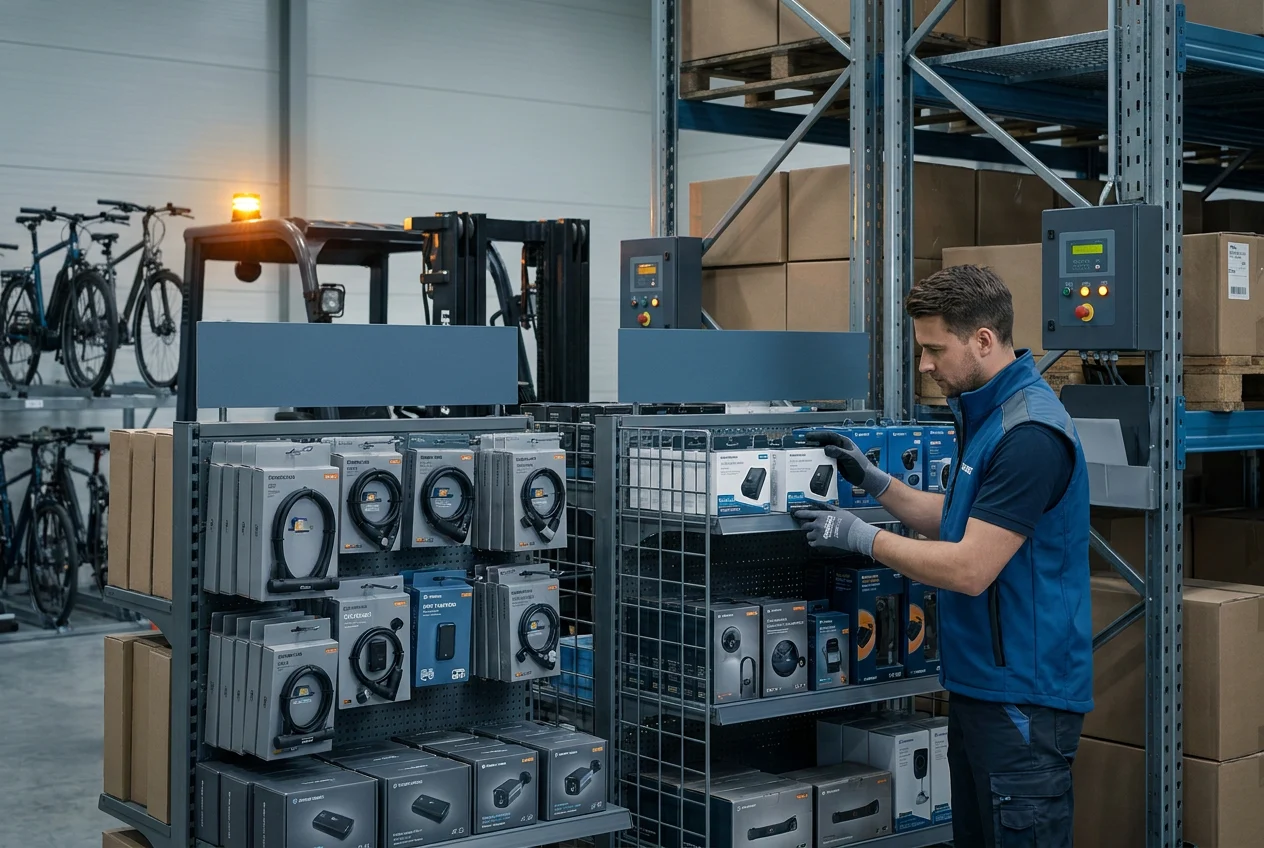
Stocking a security range for a whole customer base falls apart if every frame needs its own part, so what you need first is fit and repeatability. One universal-mount SKU covers round tubes, aero posts and bottle-cage bosses, the fixed MOQ tiers let you plan the buy, and a stock reorder turns around in 15–20 days.
Crowdfunding & trend CE brands
A campaign lives or dies on a product that photographs as something new, so a rebadged generic will not carry it. We build the smart GPS-and-app model under a custom shell for exactly this, and put a working sample in your hands early enough to shoot and demo before the campaign goes live.
E-bike brands & assemblers
If you make the bike, a bolt-on alarm hanging off the frame undercuts the design, so the alarm has to disappear into it. We integrate the unit into the frame or battery bay, wire it into the bike's own power so it never needs a separate charge, and cut a bike-specific bracket for your model.
A fuller breakdown of buyer segments and our full product range across all safety categories sits on the home page.
Get a Quote or Request Samples
Tell us the model, the volume, and how you want the owner alerted — fob-only or GPS-and-app — along with any mount or branding you need, and we scope the unit and the terms around it. A working sample is mounted and armed first, so you trip the real thing before committing to a bulk run, and any sample charge comes back on the production order.